


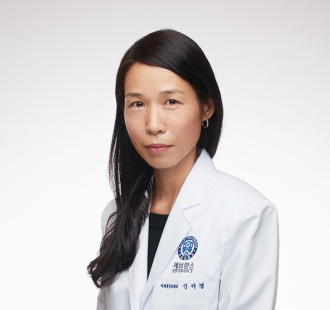


研究興趣
•Geriatric Anesthesia、Perioperative Analgesia、Quality of Recovery、 Immunomodulatory Effects of Anesthetics
學歷
• Yonsei University College of Medicine, Seoul, Korea PhD, Anesthesiology, Feb 2014
• Yonsei University College of Medicine, Seoul, Korea MA, Anesthesiology, Aug 2009
• Yonsei University College of Medicine, Seoul, Korea BA, Medicine, Feb 2005
現職
•Professor, Anesthesiology and Pain Medicine Severance Hospital,
Yonsei University College of Medicine
個人經歷
• Professor, Anesthesiology and Pain Medicine, Severance Hospital, Yonsei University College of Medicine
• Associate Professor, Anesthesiology and Pain Medicine, Severance Hospital, Yonsei University College of Medicine
• Visiting Scholar, Anesthesiology and Pain Medicine, Mitochondria and Metabolism Center, University of Washington
• Assistant Professor, Anesthesiology and Pain Medicine, Severance Hospital, Yonsei University College of Medicine
Supraglottic airway devices (SGAs) are a cornerstone of modern anesthetic practice, offering a reliable and minimally invasive alternative to endotracheal intubation for managing both routine and complex airways.
Since the introduction of the laryngeal mask airway (LMA) in the 1980s, SGAs have undergone extensive evolution. Early designs focused primarily on maintaining airway patency, but subsequent advancements have emphasized improved supraglottic sealing, enhanced protection against aspiration, and greater functional versatility. The most recent generation incorporates features such as integrated vision-guidance and compatibility with fiberoptic systems, allowing real-time airway visualization and further improving their safety and effectiveness in diverse clinical contexts.
Extensive evidence supports the value of SGAs across a wide spectrum of scenarios. In elective anesthesia, SGAs consistently demonstrate high success rates with advantages that include minimal hemodynamic disturbance, rapid placement, and reduced airway trauma compared to tracheal intubation. Similarly, their role in emergency airway management and difficult airway algorithms is well established, where SGAs provide both immediate airway security and act as conduits for subsequent tracheal intubation if needed. This versatility ensures their place as a critical rescue option during unanticipated airway difficulties.
In addition, SGAs have been linked to shorter induction times and faster recovery in certain procedures, making them appealing in both inpatient and outpatient anesthesia practice. Despite these advantages, areas of uncertainty remain. The optimal use of SGAs in specific surgical populations and procedural settings continues to generate debate. Safety concerns are particularly relevant in laparoscopic surgery, obese patients, prolonged operations, and non-supine positions, where evidence is still limited. While prior studies support their effectiveness when appropriate devices are used with careful technique, the potential for complications such as leaks, aspiration, or airway obstruction continues to raise concern.
Furthermore, the wide variability in clinician training, institutional protocols, and device availability contributes to non-uniform practice and complicates the establishment of standardized guidelines. These gaps underscore the need for context-specific decision-making and a nuanced approach to patient selection. The ongoing evolution of SGAs illustrates the broader dynamic between medical technology and clinical practice. Their development over four decades reflects the anesthesiology community’s pursuit of devices that balance safety, efficiency, and adaptability. However, as their use expands beyond traditional boundaries, the importance of continued research and adherence to evidence-based recommendations has become increasingly clear. A comprehensive understanding of their limitations, potential complications, and device-specific characteristics is essential to maximize their benefits and mitigate risks.
In conclusion, SGAs have transformed airway management in anesthesiology, bridging the gap between simple airway adjuncts and definitive airway control. While their broad applicability is well recognized, ongoing controversies highlight the importance of continued research and refinement of clinical practices. Future progress will depend on integrating technological innovation with rigorous research and individualized patient care. When used thoughtfully within these frameworks, SGAs enhance patient safety, improve clinical outcomes, and continue to advance the quality of perioperative airway management.
