
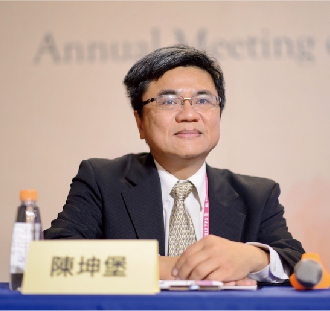


Research Interests
• Airway Management, Anesthesia for Critical Patient, Critical Care
Education Background
• PhD, Bioinformatics and Medical Engineering, Asia University, Taichung City, Taiwan
• Master of Science, Graduate Institute of Integrated Medicine, China Medical University, Taichung City, Taiwan
• Doctor of Medicine, Taipei Medical University, Taipei, Taiwan
Current Position
‧ Chief, Department of Anesthesiology, China Medical University Hospital, Taichung, Taiwan
‧ Professor, Ministry of Education, TAIWAN
• Professor, Department of Anesthesiology, China Medical University, Taichung, Taiwan
•President, Taiwan Society of Airway Management
•Executive director, Taiwan Society of Anesthesiologists
Professional Experience
‧ Professor, The 30th Taiwan Society of Airway Management
‧ Founding President, Chinese Bu-Xiong Medicine Association
‧ Director, Taiwan Pain Society
‧ Director, Department of Anesthesiology, China Medical University, Taichung, Taiwan
‧Founding director, Division of Pain Management, China Medical University Hospital, Taichung, Taiwan
This forum will be co-moderated by Secretary-General Yi Chang and Dr. Chia-Fang Hsieh, featuring distinguished panelists Executive Director Chi-Tsung Chien, Board Members Po-Yuan Shih and Kun-Pao Chen, and Dr. Yi-Che Hsieh. The session is titled “Board Election and Direct Election Rules for the President,” and aims to foster a multidimensional discussion on the society’s future organizational structure and electoral model.
Each panelist brings extensive experience in administration and active participation within professional societies. They will share insights and reform proposals regarding the current election system, while exploring key topics such as the roles and responsibilities of board members, mechanisms for member participation, and the potential impact of direct presidential elections.
Through open and rational dialogue, this forum seeks to build consensus and establish a solid foundation for the society’s institutional development and democratic governance, thereby enhancing organizational sustainability and professional community cohesion.