
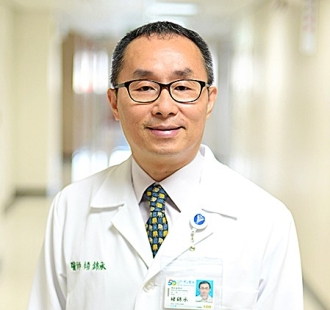


Research Interests
•Women and Children Anesthesia, Artificial Intelligence
Education Background
•PhD, Institute of Clinical Medicine, National Defense Medical College
Current Position
• Deputy director of department of anesthesiology, Chi Mei Medical Center
• Director, Taiwan Society of Anesthesiologists
• Director, Taiwan Society of Cardiothoracic and Vascular Anesthesia
Professional Experience
• Porfessor, Chia Nan University of Pharmacy & Science
• PhD,National Defense Medical Center, Medical Science
• MD, National Defense Medical Center
Anesthesia risk assessment is a critical step in ensuring surgical safety and improving patient outcomes. Traditional tools, such as the American Society of Anesthesiologists Physical Status Classification (ASA-PS) and the Surgical Risk Preoperative Assessment System (SURPAS), are widely used but are limited by high subjectivity, insufficient information, and cumbersome procedures, making them inadequate to meet modern clinical demands for high accuracy and efficiency. With the rising proportion of elderly patients, increasing surgical volumes, and mounting healthcare workforce pressures, there is an urgent need for a smarter, real-time, and individualized assessment model. In this presentation, I will share our hospital’s project to develop an anesthesia risk assessment platform centered on generative artificial intelligence and applicable to multiple types of surgery. The platform integrates patient history, physiological parameters, laboratory results, and surgical information to automatically calculate six key risk scores: ASA-PS, Revised Cardiac Risk Index (RCRI), Postoperative Pulmonary Complication Risk (ARISCAT), Postoperative Acute Kidney Injury Risk, Major Adverse Cardiovascular Events (MACE) Risk, and Postoperative Nausea and Vomiting Risk (Apfel PONV). The system can also generate visualized risk summaries and personalized patient education materials, enhancing physician–patient communication and supporting shared decision-making, while balancing clinical safety, efficiency, and patient engagement.