


Research Interests
•Airway management, Medical history, Statistical analysis, Ethics
Education Background
•Doctor of Philosophy (PhD) in Medicine, University of Wales College of Medicine (now Cardiff University), United Kingdom, 1997.
•Doctor of Medicine (MD), Kansai Medical University, Japan, 1987.
Current Position
•Professor,Anesthesiology,Dokkyo Medical University Saitama Medial Center
Professional Experience
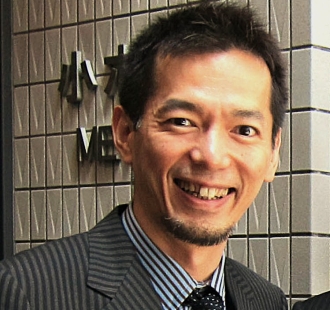
•Professor Takashi Asai has published over 600 peer-reviewed articles and textbooks, including the well-known “How to Write Medical Papers.” His work has significantly advanced knowledge in airway management, clinical research, and medical ethics. He has delivered more than 200 invited lectures at international meetings and currently serves as an Editor of the British Journal of Anaesthesia and on the editorial boards of several leading anaesthesia journals.
Failure to secure a clear airway can be fatal. Historically, a report of a closed claim analysis related to anesthesia practice during 1975–1984 indicated that adverse outcomes involving the respiratory system had comprised the single largest class of injury, and that the incidence of death or permanent brain damage associated with airway management was strikingly much higher (85%) than the incidence associated with cardiovascular management (30%). Since then, several major efforts have been made: several major guidelines have been made and updated for difficult airway management; routine use of a capnograph and a pulse oximeter has reduced the incidence of unrecognized esophageal intubation; the laryngeal mask airways or videolaryngoscopes have certainly reduced the incidence of difficult airway management. Because of these efforts, the incidence of serious complications is likely to have decreased. Nevertheless, the current strategies for difficult airway management are still not idea. I will point out what would be potential difficulties with airway management, and possible solutions to these problems.